Rivya Journal

用 AI 做廣告素材的完整流程

把一個 offer 變成 Rivya ad creatives,涵蓋 product stills、short videos、voice-over、variants、review 和 handoff。
工作流
發布於 2026/04/24作者:Rivya 內容編輯團隊
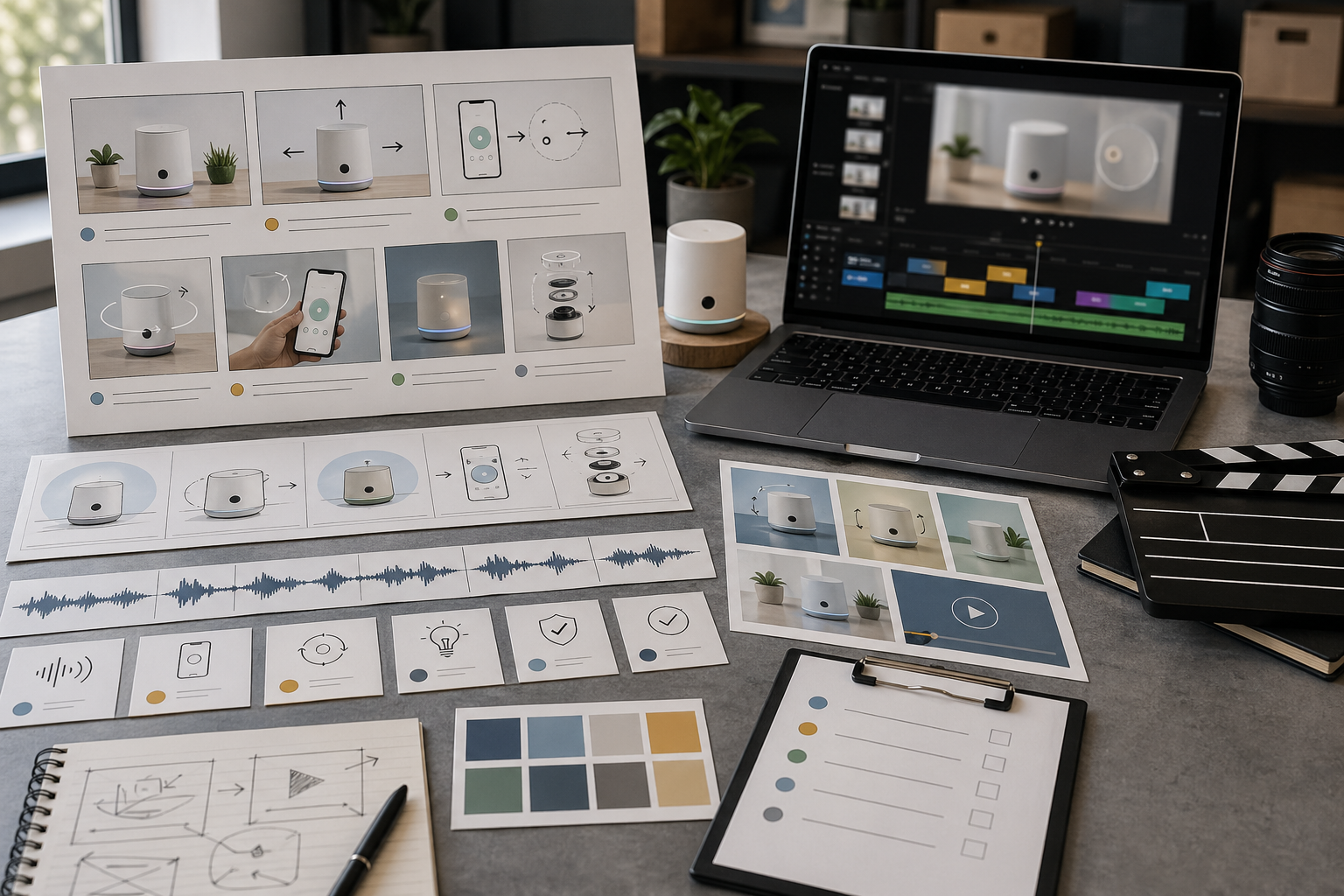
Rivya ad creative workflow 封面,包含 offer planning、product visuals、short video variants、voice-over、review 和 handoff。

AI ad creative 應該從 offer 開始,而不是從 model 開始。

Rivya 可以幫你生成 product stills、short videos、voice-over 和 campaign variants,但最好在 generation 開始前,campaign 已經有清楚工作。

Ad Creative Brief

打開 model page 前,先寫一份短 brief:

Audience: [這是給誰看的]
Offer: [他們應該注意什麼]
Product proof: [什麼讓主張可信]
Asset type: [image, video, voice-over, variant set]
Placement: [paid social, landing page, email, retargeting]
Must show: [product, benefit, result, feature]
Must avoid: [unsupported claims, unreadable text, off-brand style]

Example:

Audience: ecommerce founders.
Offer: 不用規劃 photoshoot,也能建立 launch-ready product visuals。
Product proof: 展示 product image、campaign variants 和 saved workflow continuity。
Asset type: static ad image plus short demo clip.
Placement: paid social and landing page retargeting.
Must show: product asset creation,而不是抽象 AI magic。
Must avoid: fake performance claims 和 text-heavy image copy。

這份 brief 能避免第一輪 generation 變成隨機 output volume。

先選擇一個 Primary Asset

不要一開始就生成所有東西。

先選一個 primary asset:

  • product-led still
  • offer graphic
  • landing-page hero
  • UGC-style video
  • short product demo
  • voice-over clip
  • retargeting variant

第一個 asset 應該證明 campaign direction。Variants 稍後再做。

使用正確的 Rivya Branch

Ad production 通常會分成幾個 branches:

這些是同一個 campaign 的 branches,不是不相關 experiments。

先建立一個強方向,再做 Variants

製作 variants 前,先問:

  • offer 是否能在兩秒內看懂?
  • product 或 result 是否可見?
  • asset 是否匹配 landing page 或 storefront?
  • crop 是否適合 intended channel?
  • 是否有一個主要點擊理由?
  • 是否有任何需要 proof 的 claims?

只有第一個 direction 成立後,才變化 background、hook、angle、format、crop 或 voice tone。

每次只改一個變數

好的 variants 會讓你學到東西。

一次只改一個 variable:

  • hook A vs hook B
  • product close-up vs lifestyle scene
  • square vs vertical crop
  • founder voice vs neutral narrator
  • benefit-first vs proof-first framing

如果每個 variant 都改變所有東西,你不會知道到底是什麼改善了 ad。

像 Marketer 一樣 Review

Review output 是否有 business usefulness:

  • offer 是否能快速理解?
  • asset 對 audience 是否可信?
  • 它是建立 trust,還是降低 trust?
  • product 是否被準確呈現?
  • 它是否適合 channel 和 landing page?
  • 你是否真的會測試這個 asset?

漂亮的 AI image 如果不支援 offer,仍然可能是糟糕的 ad。

常見 Ad Creative 錯誤

避免:

  • 定義 offer 前就從 model name 開始
  • 一個 direction 還沒成立,就生成許多 assets
  • 在一個 ad 中混入太多 messages
  • 要求 AI 在 image 裡建立 dense readable ad copy
  • 忽略 channel crop 和 mobile preview
  • product 仍需要 clarity 時使用 lifestyle imagery
  • 對 claims 跳過 commercial review

目標是 controlled creative production,而不是 raw output volume。

實用 Rivya Workflow

使用這個順序:

  1. 撰寫 campaign brief。
  2. 選擇第一個 asset type。
  3. 生成一個聚焦的 image 或 video direction。
  4. 依 offer、product、channel 和 claim risk review。
  5. Rivya History 中儲存有用 outputs。
  6. 一次只改一個 variable 製作 variants。
  7. 使用 AI Content Production Checklist 做 final checks。

Commercial use 也請閱讀 Rivya 中的 Ownership 與 Commercial Use

Rivya 中的下一步

繼續探索

更多文章

繼續閱讀 Rivya 團隊整理的相關指南、產品筆記和工作流拆解。

保持同步

下一篇工作流、模型筆記或產品更新,直接送到你的收件匣

給創作者看的精簡 newsletter,提供實用想法、更精準的判斷,少一點一次性噪音。

新模型上線與功能發布可以快速套用的短工作流想法

不寄垃圾郵件,可隨時取消訂閱。