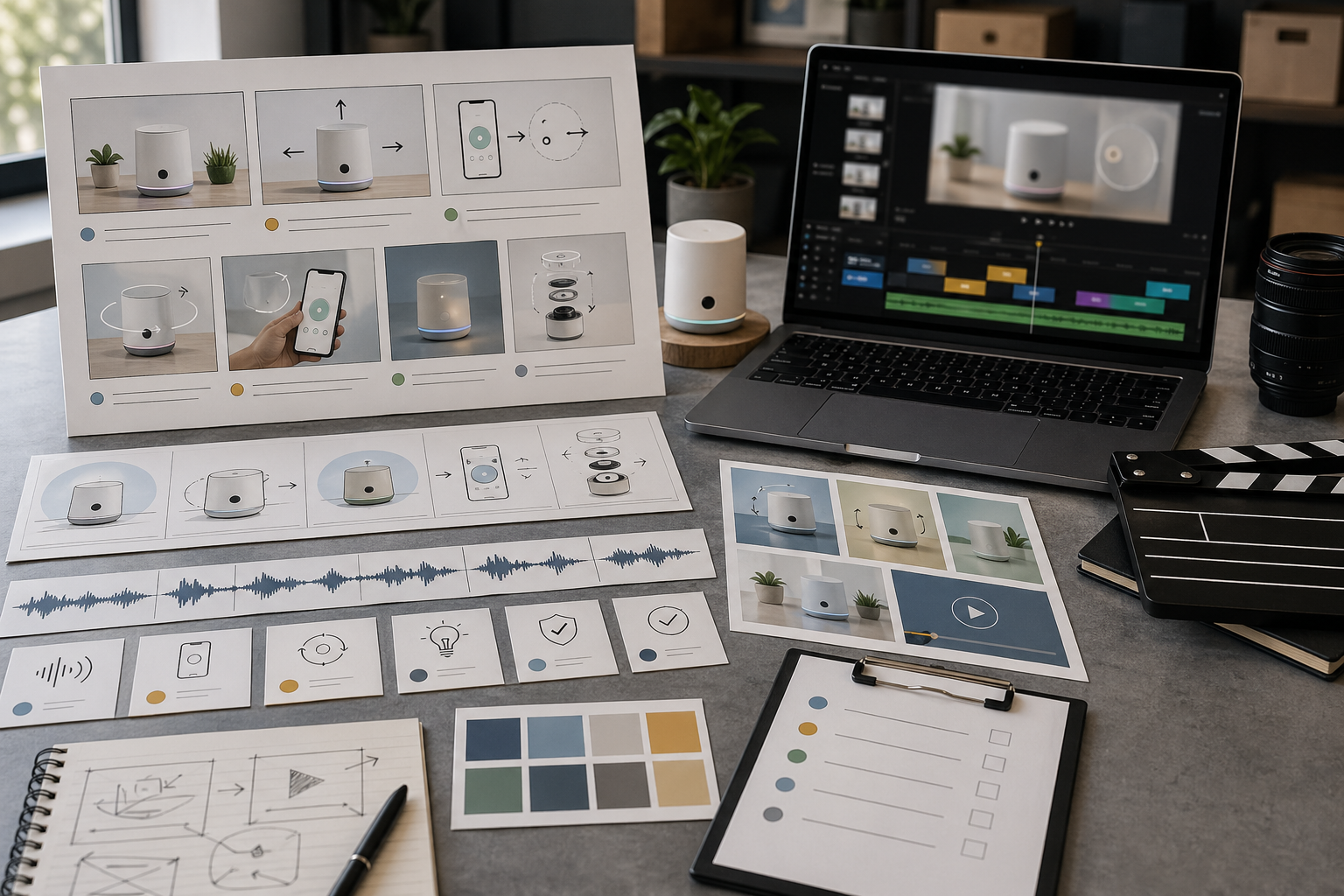
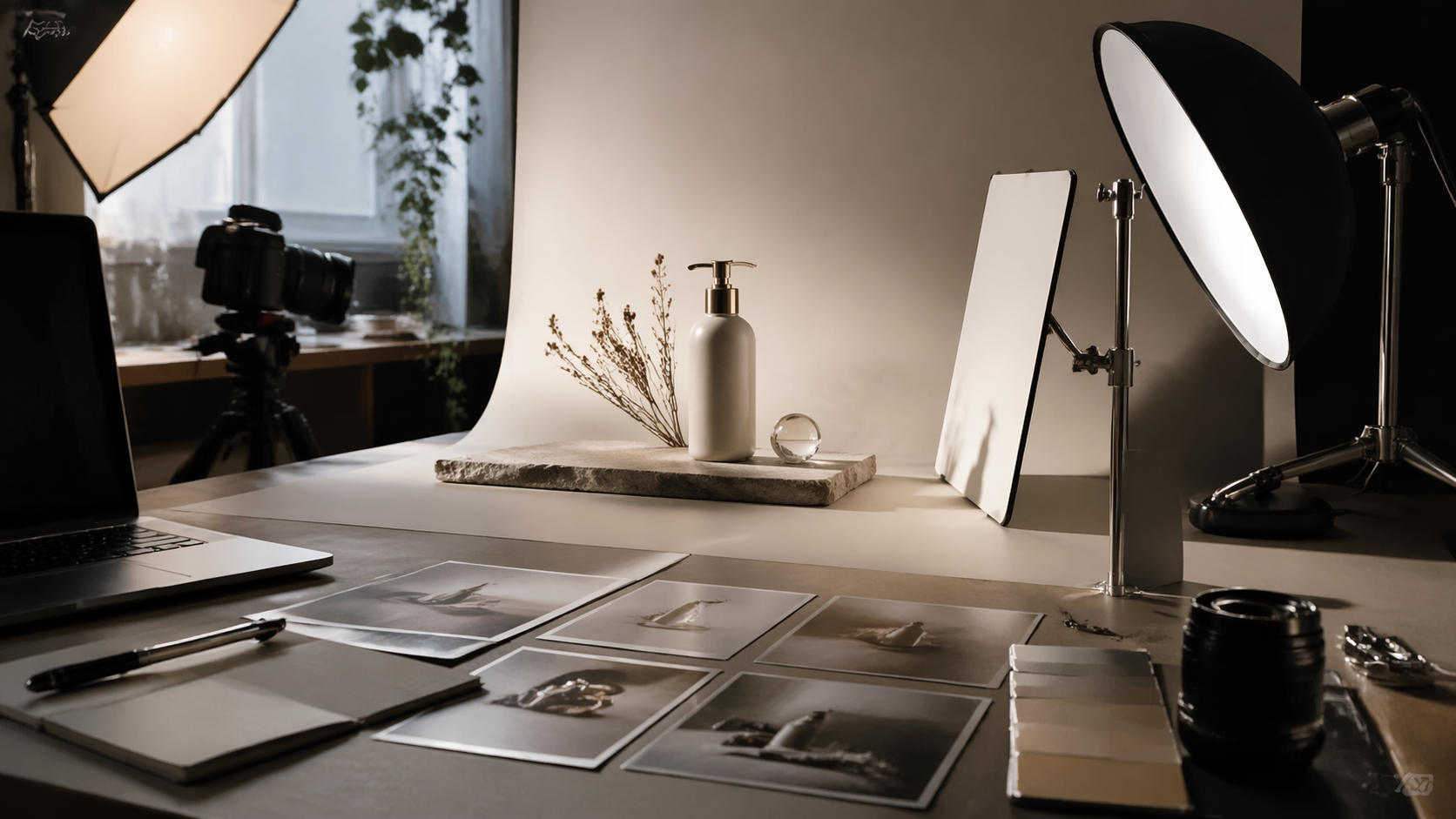
Product photography is not the same thing as ecommerce throughput.
It is usually about the shoot: how the product should feel on camera, how controlled the composition needs to be, and whether the result is meant to look practical, premium, or atmospheric.
Product Photography Is About The Shoot, Not Throughput
Most product-photography requests inside Rivya eventually fall into four shoot types:
a clean studio still
a repeatable reference-led product shoot
a premium hero shot once the direction already works
an editorial or atmospheric product scene
Those jobs all involve products. They do not ask the same thing from the model.
When You Need A Clean Controlled Studio Still
Flux 2 Pro is still the safest first answer when the product image needs to feel controlled, usable, and commercially believable before it feels dramatic.
That is the stronger path for:
clean studio stills
product-led compositions
packaging-visible product shots
commercial product photography that still needs clarity first
This is the studio-still path, not the mood-first path.
When You Need A Repeatable Reference-Led Shoot
GPT Image 1.5 becomes more compelling when the shoot brief is more controlled than a normal one-off scene.
That usually means:
preserve a composition
keep product placement consistent
reuse a larger reference set
build a family of related shots without the structure drifting
Once the real challenge is "hold this shoot system together," reference control matters more than sheer taste.
When The Hero Direction Already Works
Nano Banana Pro becomes more useful once the direction is already right and now needs a cleaner, more premium final pass.
That is the stronger path for:
polished landing-page heroes
premium brand shots
higher-fidelity stills
refined product visuals after the discovery work is already done
This is not the page's discovery answer. It is the hero-finishing answer.
When The Product Scene Is Really Editorial
Grok Imagine becomes attractive when the product image is really functioning as an editorial or atmospheric brand scene.
That is where it earns a serious test:
mood-first product scenes
poster-like brand shots
editorial compositions
product visuals where atmosphere matters more than strict delivery control
Once the scene is really carrying style and mood, the editorial path becomes stronger than the strict delivery path.
Midjourney remains documented for comparison, but it is currently paused on Rivya and cannot start a generation. Review its status page only if that historical comparison is useful.
When This Is Not The Right Page
This page stops being the best answer when the real job is:
operational ecommerce delivery
broader product-first image routing before you know the narrower task
paid ad creative
landing-page-specific hero design
At that point, the shoot question is no longer the main question.
Where To Go Next
If the real task is operational ecommerce delivery, read Best AI Image Generator for Ecommerce.
If the real task is broader product-first routing, read Best AI Product Image Generator.
If the real task is paid ad creative, read AI Image Generator for Ads.
If the real task is landing-page design, read AI Image Generator for Landing Pages.
If you need the related workflow guides, read Image Workflows in Rivya, Choosing Models in Rivya, and References and Uploads in Rivya.
Build The Shoot Brief
Treat product photography like a small shoot plan.
Before generating, define:
product identity and non-negotiable details
shot type: clean studio, lifestyle, editorial, macro, or hero
surface, props, and background role
lighting direction and material behavior
crop and placement requirement
whether references control the product, the set, or the art direction
This makes the prompt more like production direction and less like a pile of style adjectives.
Review It Like A Product Shoot
Judge the result the way you would judge a product shoot proof.
Check:
product shape and scale
material texture and reflections
label, logo, or packaging drift
prop relevance
whether the lighting flatters the product
whether the shot belongs to a repeatable set or only works once
If the product is wrong, do not fix it with more mood words. Tighten product facts and references first, then move back into style or finish.