
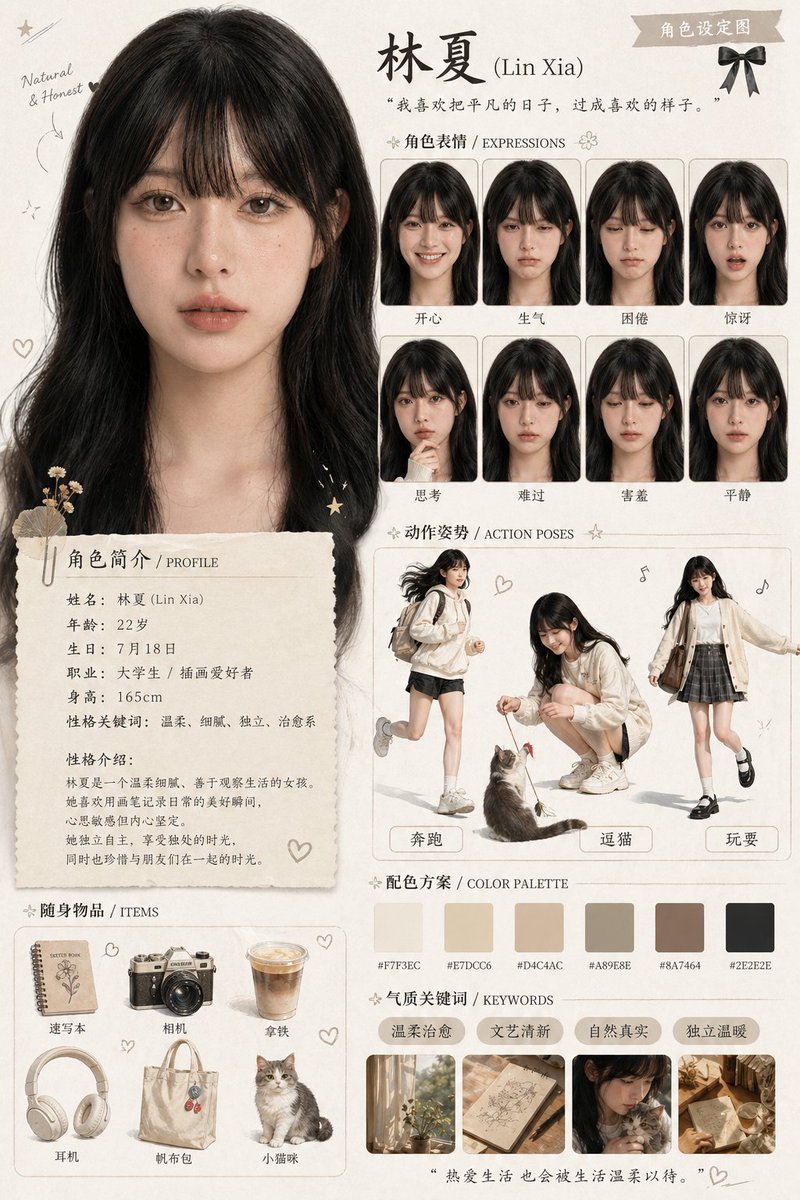
Create a macro pop-up book diorama that turns a scientific discovery into a paper model, researcher scene, and diagram wall.
Image Prompt
GPT Image 1.5
Image prompt template
Preview
Image Prompt
Result · 1/1
Preview for Scientific Pop-Up Discovery Diorama, focused on paper model construction, academic diagrams, miniature scale, and macro texture.
Full prompt
Macro scientific pop-up journal with a paper model, tiny researchers, diagram wall, and editable discovery title.
Create one square macro photograph of a scientific pop-up book diorama for [SCIENTIFIC_DISCOVERY_OR_THEORY]. Use an antique leather-bound journal opened at a precise 90-degree angle, where the vertical page becomes a diagram wall and the horizontal page becomes a miniature laboratory floor. From the book gutter, build a central paper sculpture that represents the discovery, such as a double helix, orbital system, gravity grid, cell structure, prism beam, or another user-specified model. Construct it from folded strips of the journal's own paper, with subtle colored ink or pencil marks to distinguish parts. Add 1:35 scale original researcher figures in period-appropriate clothing, interacting with the model by pointing, measuring, taking notes, or arranging tiny tools. Cover the background page with hand-drawn diagrams, formulas, labels, arrows, and editable title space for the discovery name. Use academic history styling, tactile paper fibers, warm directional light, shallow macro depth, and high texture fidelity. Avoid using exact celebrity or historical portrait likenesses, copied museum layouts, unreadable dense text, false scientific claims, modern brand logos, impossible scale relationships, extra hands, damaged anatomy on figures, and diagrams that contradict the chosen discovery.
Usage notes
Replace the discovery, model shape, researcher roles, diagram language, title text, color marks, and crop before running.
Prompt FAQ
Quick checks for inputs, model fit, and how to adapt the template without weakening the result.
Pick a visible structure that represents the idea, such as a double helix for DNA, orbital paths for heliocentrism, or a curved grid for relativity.
You can mention roles or names in editable labels, but avoid requesting exact portrait likenesses of real people.
Check scientific consistency, title readability, scale logic, figure anatomy, and whether any generated formulas or labels need manual correction.
More prompts in this mode
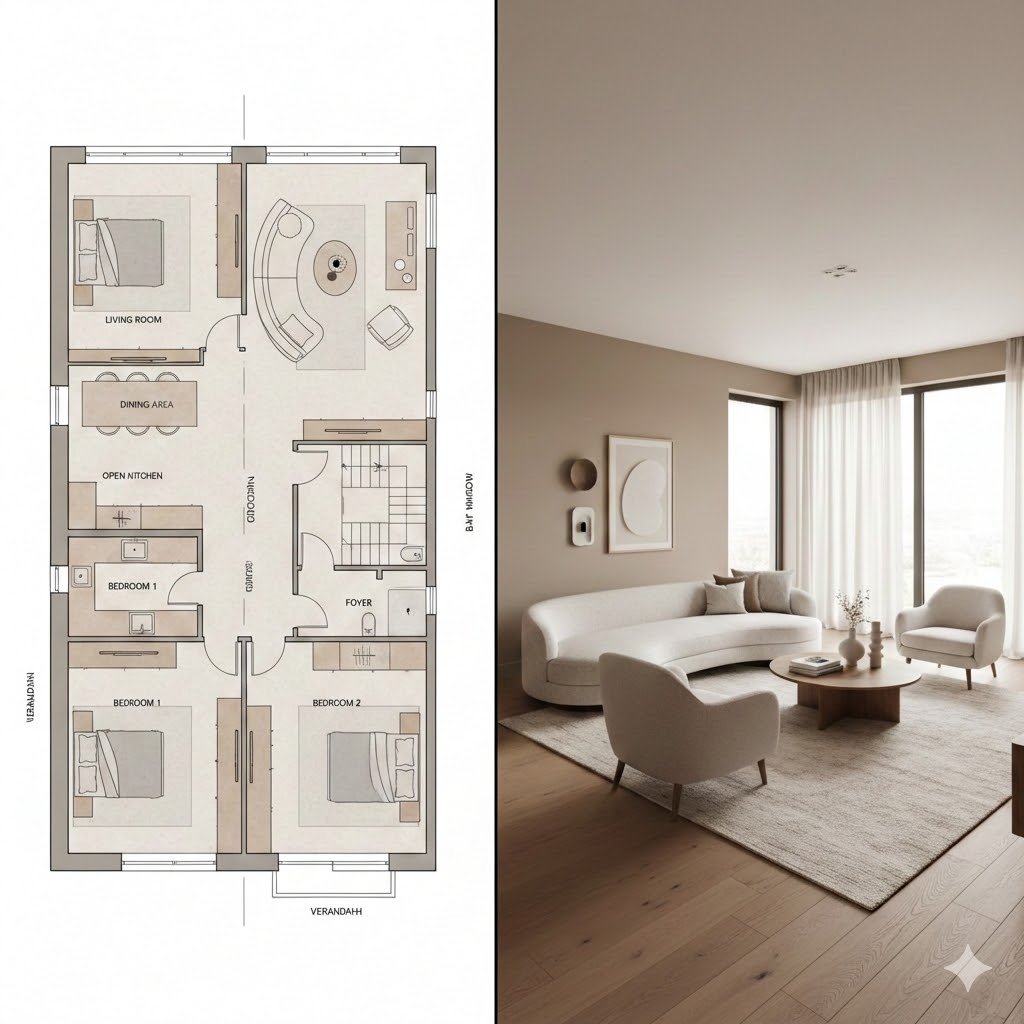
Image Prompt
Recommended model: GPT Image 1.5
Create an interior concept prompt that connects a plan-view blueprint with a finished cozy living space.