
5.11 sec
Wormhole Mothership Debate video preview showing motion rhythm, subject continuity, camera direction, and final hero frame.
Wormhole Mothership Debate video brief: setup / main motion / camera path / continuity / hero ending / review checks
Infinitalk is Rivya's audio-driven talking-video generator for turning one portrait image and one audio clip into avatar narration, podcast-to-video, or explainer-style clips.
The final task cost is rounded up to whole credits.
Example output
Example; generating model unverified · Preview for Wormhole Mothership Debate, focused on scene setup, camera path, motion continuity, editable details, and the final hero frame.
Lip-Synced Avatar · Image + Audio Driven
Example output
Example; generating model unverified · Preview for Wormhole Mothership Debate, focused on scene setup, camera path, motion continuity, editable details, and the final hero frame.
Best for
Supports
Online trial
No results to display yet.
Prompt starters
Model examples
Browse template previews for ideas. Each caption indicates whether generation with this model has been verified.
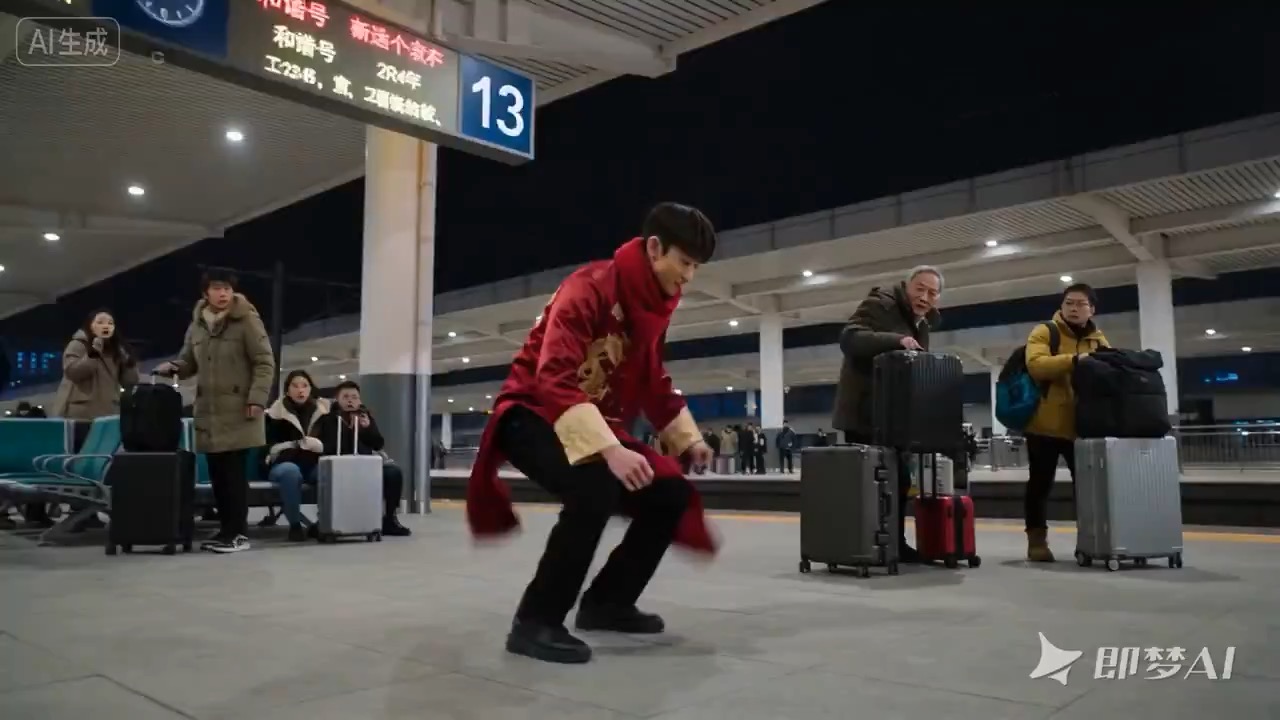
Example; generating model unverified · Preview for Wormhole Mothership Debate, focused on scene setup, camera path, motion continuity, editable details, and the final hero frame.
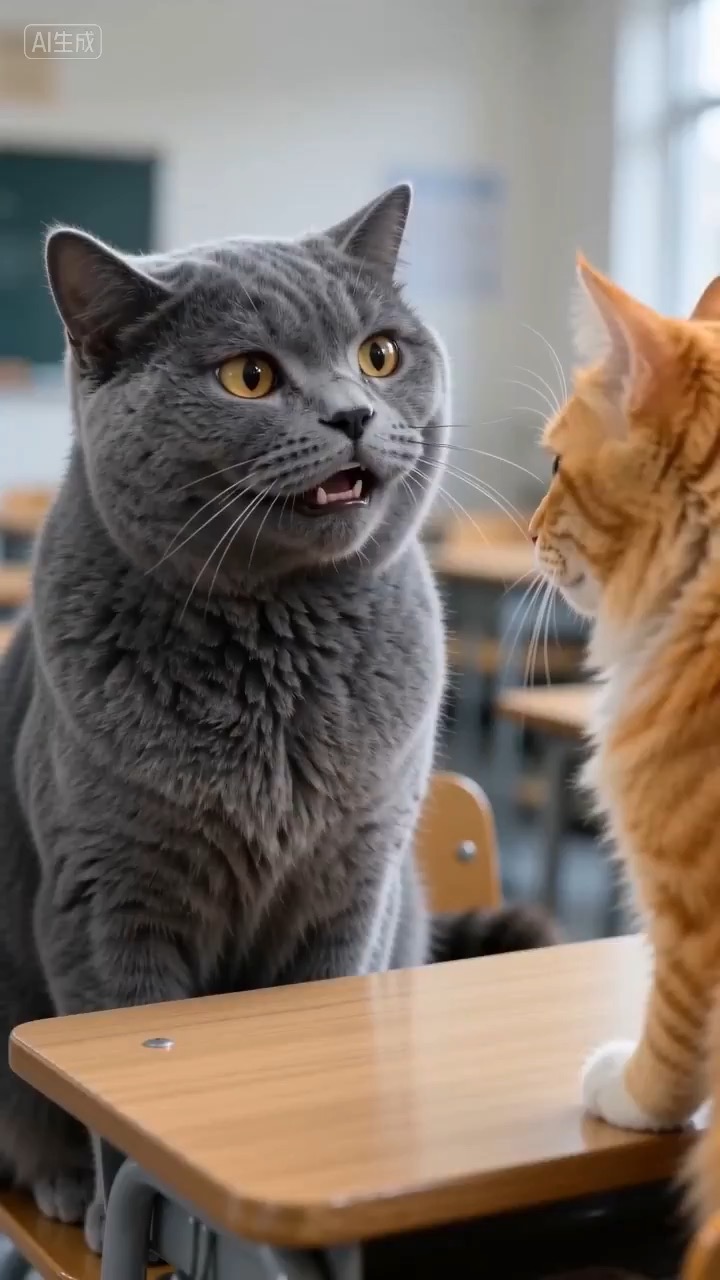
Example; generating model unverified · Preview for a classroom reaction talking avatar, focused on speaker setup, dialogue beat, reaction timing, editable details, and the final frame.
Example; generating model unverified · Preview for a Lunar New Year street selfie narration brief, focused on the presenter setup, festive background, lip-sync continuity, editable greeting text, and final hero frame.
Example; generating model unverified · Preview for Traveler Street Reaction Short, focused on scene setup, camera path, motion continuity, editable details, and the final hero frame.
Decision fit
Decision fit
Infinitalk FAQ
Infinitalk is strongest when one portrait and one finished audio track are already driving the job. It fits talking-avatar explainers, podcast-to-video cuts, and narration-led character clips when the audio needs to remain the timing anchor and the output cost should scale with duration instead of a flat per-run fee.
On Rivya, this option is built around exactly one portrait image, one audio clip, a required prompt, and two public controls: resolution and seed. Pricing currently follows verified audio duration, with 480p at 3 credits per second and 720p at 12 credits per second, which makes it a duration-led talking-video project rather than a generic image-to-video model.
The most important questions are whether the portrait is front-facing and clean enough for the avatar read, whether the audio track is already the take you want to keep, and whether 480p or 720p is justified for the job. Seed only really matters if you need reproducibility; most of the real decision lives in the source portrait, source audio, and resolution-cost tradeoff.
Rivya currently lists 3 credits per second at 480p and 12 credits per second at 720p. That makes it easiest to justify when you already have a finished voice track and want the video cost to scale with the actual spoken duration instead of paying a flat avatar fee for every run.
Choose Kling AI Avatar Standard when you want the lower 8-credit-per-second portrait-plus-audio avatar tier and the output does not need to look especially premium. Move up to Kling AI Avatar Pro when the same avatar format needs a higher-finish result at 16 credits per second. Both Avatar tiers are billed from verified audio duration, up to 300 seconds. On Rivya, this option is built around exactly one portrait image, one audio clip, a required prompt, and two public controls: resolution and seed. Pricing currently follows verified audio duration, with 480p at 3 credits per second and 720p at 12 credits per second, which makes it a duration-led talking-video project rather than a generic image-to-video model.
Start here when the first result needs to answer whether one portrait and one audio file can already carry a believable talking-video pass. Use it for explainers, podcast-to-video tests, and narration-led avatar clips when the audio is already in hand.
This page uses one portrait image, one audio clip, a required prompt, resolution, and seed. It is not a general-purpose animation tool; the first run should test whether that portrait and audio pair produces a usable talking result.
Before you run, make sure the portrait is face-forward and clean, the audio is the take you want to keep, and the resolution choice matches the budget. Start with 480p when you are just validating the talking-video behavior, and move to 720p when the clearer presenter output is worth the much higher per-second spend.
The page is public, but the actual first image-led video run is still gated behind sign in. Rivya currently lists 3 credits per second at 480p and 12 credits per second at 720p, so you can line up the portrait, audio, and duration expectations first, then sign in when you are ready to generate.
Stay on this page while you are checking one portrait-audio pair and checking whether the first talk pass is enough. Open the full Studio once the work needs saved versions, multiple avatar assets, or a longer production thread around the same character.
Compare alternatives
Seedance 2.5 is Rivya's larger Seedance workflow for prompt-only video, first- and last-frame guidance, multimodal references, and video-guided transformation. It adds a 1080p tier, output up to 30 seconds, automatic duration, MP4 or MOV output, and substantially larger image, video, and audio reference capacity than Mini.
Why consider it
Consider it when your next task needs Up to 50 reference files.
ByteDance's full Seedance 2.0 video model with explicit support for prompt-only generation, frame-driven animation, and multimodal reference generation. Rivya keeps the documented role split explicit so frame inputs and multimodal references stay mutually exclusive instead of collapsing into one ambiguous upload bucket.
Why consider it
Consider it when your next task needs Prompt, frames, or image/video/audio references.
ByteDance's faster Seedance 2.0 video model with full scene routing for prompt-only generation, frame-driven image animation, and multimodal reference video generation. Rivya keeps the documented scene split explicit so first/last-frame inputs do not collide with reference image, video, and audio roles.
Why consider it
Consider it when your next task needs Prompt, frames, or image/video/audio references.
Best-fit tasks
Use it when the task looks like this
Model details
Provider
MeiGen-AI
Category
Video
Capabilities
Lip-Synced Avatar · Image + Audio Driven
Credit model
Credit rate: 3–12 / input second
Input path
1 image + 1 audio
Prompt setup
Up to 5,000 chars