15.1 sec
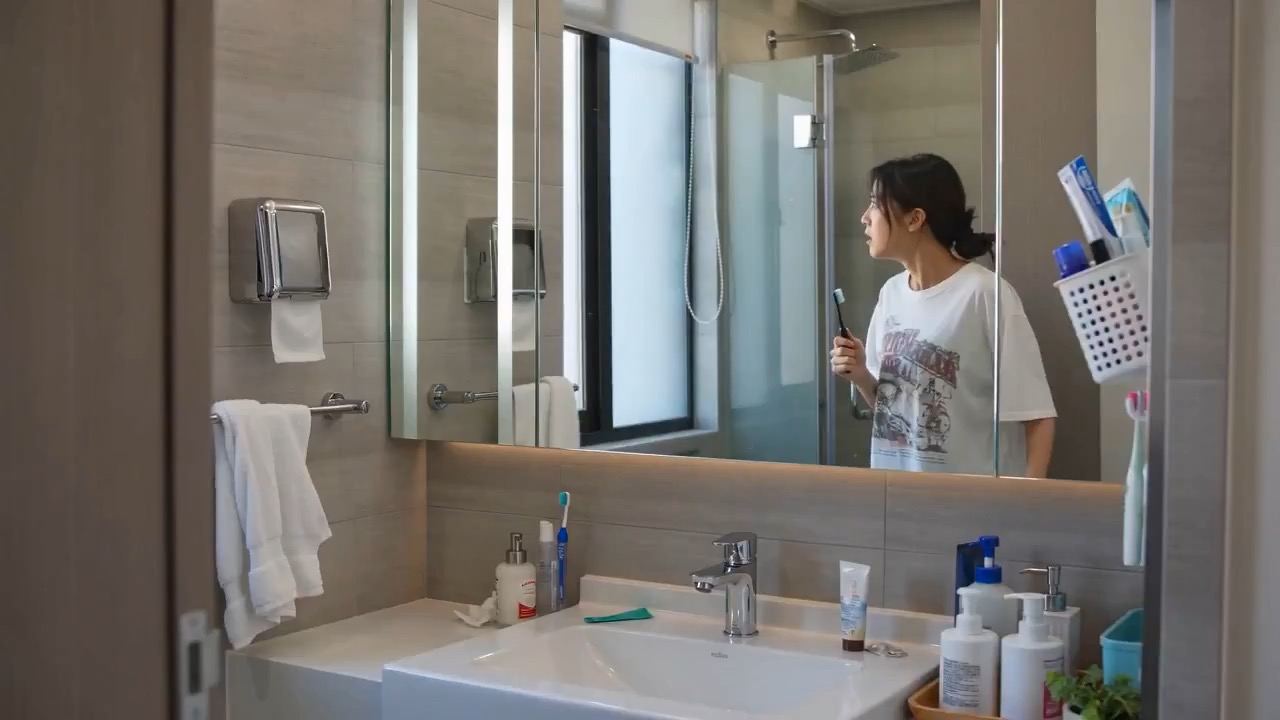
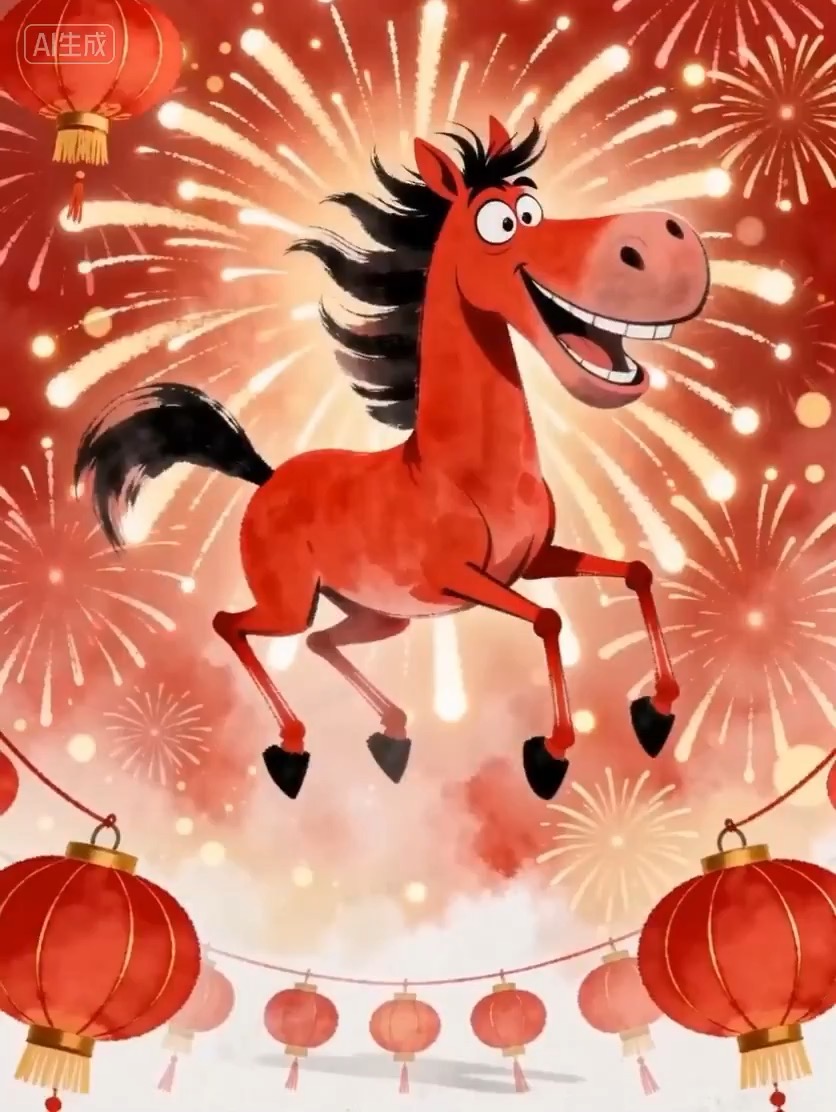
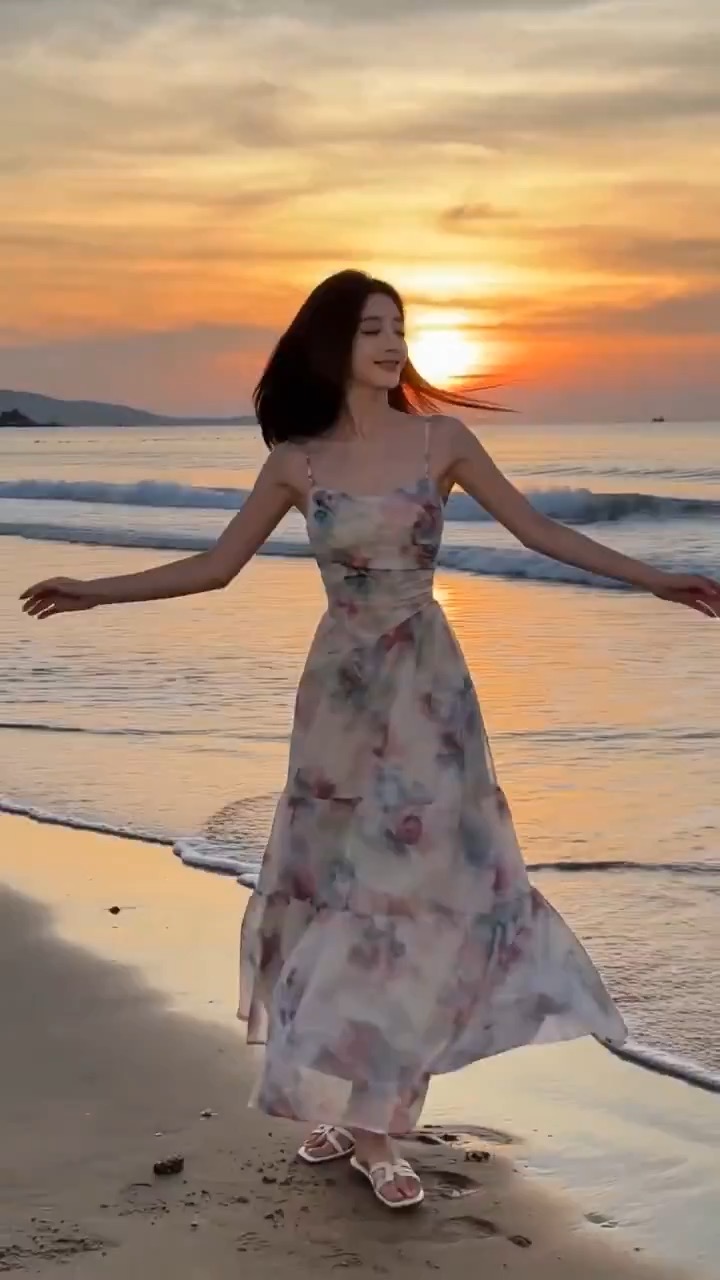
Fashion era quick-change video preview showing one model transforming through several style decades before holding a final look.
Fashion quick-change brief: neutral opening / 1960s / 1980s / 2000s / near-future look / stable hero frame
Plan a fashion-history short where each spin advances the era while preserving subject continuity and costume clarity.
The recommended model and prompt are filled in. Choose your own inputs and generation settings.
Preview
Video Prompt
Transformation clip focused on era detail, costume readability, subject continuity, and rhythm.
Qipao era-shift prompt: era beats, spin match cuts, costume details, subject continuity, and cultural guardrails.
Create a 12-15 second fashion-history transformation sequence about qipao silhouettes across eras. Keep one subject centered and consistent. Each spin creates a clean era jump: early formal robe, transitional tailored silhouette, 1920s Shanghai street style, then a refined 1930s evening look. Use cinematic old-Shanghai texture, controlled film grain, match-cut spins, and rising drum rhythm. Make the costume changes readable through collar, sleeve, waistline, length, hair, and lighting. Avoid caricature, inaccurate cultural mashups, jumpy identity changes, over-sexualized framing, logos, subtitles, and messy text overlays.
Usage notes
Replace the era range, costume references, location style, rhythm, final pose, and cultural notes.
Prompt FAQ
Replace the era range, costume references, location style, rhythm, final pose, and cultural notes.
Check motion readability, subject continuity, camera rhythm, final frame usability, and any generated text or logos that need manual cleanup.
Yes. Keep the core structure, then adjust detail level, aspect ratio, and constraints for the model you choose in Rivya.
More prompts in this mode