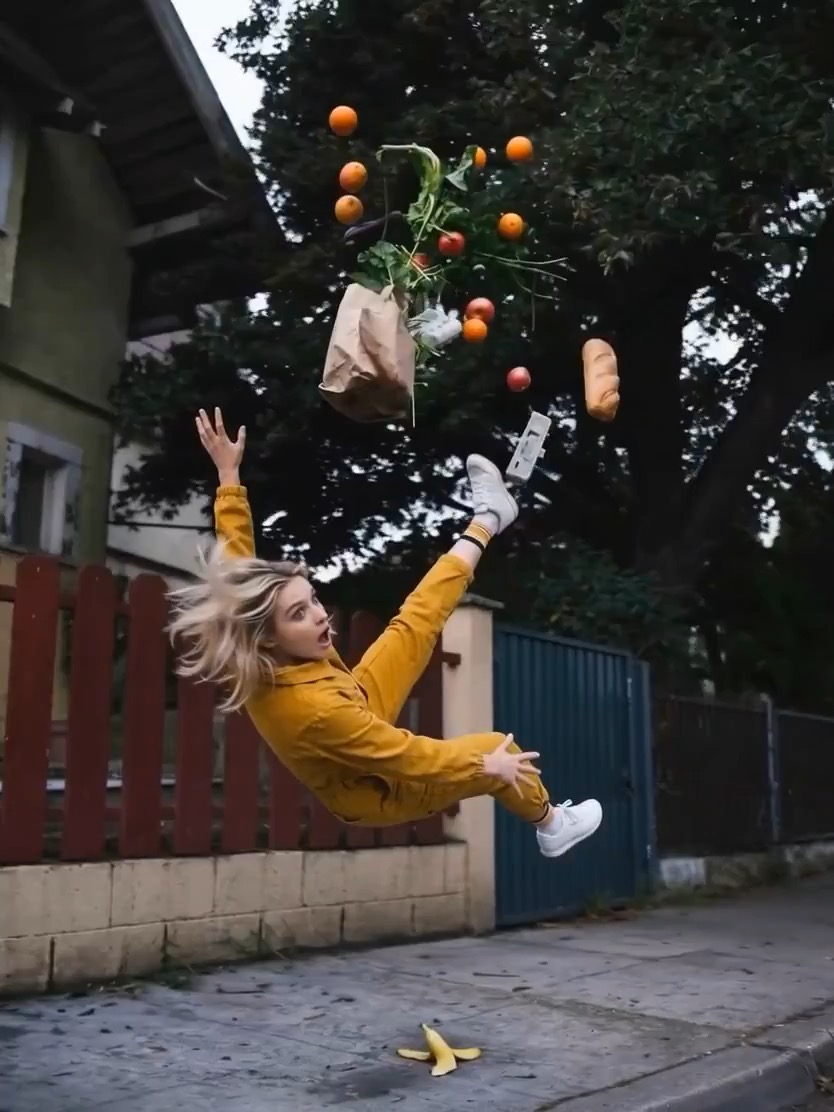
Kling V2.1 Standard is Rivya's legacy one-frame Kling option for simple image-to-video work. Upload one starting image, choose 5 or 10 seconds, and use it when you want an older lower-cost Kling path for straightforward motion tests rather than the heavier control setup in newer tiers.
Image-to-video onlyFixed 5-second and 10-second price tiersSupports `negative_prompt` and `cfg_scale`
Input
1 image reference
Output
AI Image-to-Video
Credits
Credit rate: 25–50 / video
Best for
Animating one product still into a quick motion test
The final task cost is rounded up to whole credits.
Example output
Example; generating model unverified · Reference video colorization prompt focused on source fidelity, gradual color reveal, plausible palette choices, identity continuity, and before/after review.
Check current availability, input, output, credits, and proof first. If an online trial is available, test the model on the page; use Studio for saved history, assets, and longer iteration.
Example output
Example; generating model unverified · Reference video colorization prompt focused on source fidelity, gradual color reveal, plausible palette choices, identity continuity, and before/after review.
Best for
Animating one product still into a quick motion testBudget-conscious first-frame social teasersLegacy Kling comparisons against newer video modelsSimple ad previs where one reference image is enough
Supports
Image to Video
Online trial
Try Kling V2.1 Standard
Try Kling V2.1 Standard when you only have one opening frame and want the cheapest legacy Kling path for a short image-to-video draft. Upload one starting image, keep the run short, and stay here when lower-cost motion tests matter more than tail-frame planning or newer Kling controls.
Example; generating model unverified · Reference video colorization prompt focused on source fidelity, gradual color reveal, plausible palette choices, identity continuity, and before/after review.
Example; generating model unverified · Preview for Street Spill Bullet-Time Orbit Shot, focused on frozen liquid, wet street reflections, and smooth camera orbit.
Example; generating model unverified · Preview focused on bouquet framing, wind detail, visible eyes, and vintage backlit portrait continuity.
Decision fit
When this model is the right choice
Decision fit
Fit signals
Image-to-video only
Fixed 5-second and 10-second price tiers
Supports `negative_prompt` and `cfg_scale`
Simple single-image image-to-video flow
Model details
Inputs, output, and credits to confirm
Provider
Kuaishou
Category
Video
Capabilities
Image to Video
Credit model
Credit rate: 25–50 / video
Input path
1 image reference
Prompt setup
Up to 5,000 chars
FAQ
Kling V2.1 Standard FAQ
What kind of shot is Kling V2.1 Standard actually the best fit for?
Kling V2.1 Standard works best when one opening frame is enough to prove the motion idea. It is a sensible legacy option for simple product movement tests, first-frame social teasers, and low-complexity image-to-video drafts where you do not need a defined ending frame or newer Kling controls.
What is Kling V2.1 Standard's real scope on Rivya right now?
On Rivya, this option is image-to-video only and accepts one image as the opening frame. The public controls are deliberately basic: choose 5 or 10 seconds, use `negative_prompt` if needed, and adjust `cfg_scale` when you need the result to follow the prompt more tightly.
What matters most when you are deciding whether Kling V2.1 Standard is enough?
The most important decisions are usually shot length and how much prompt steering the frame can tolerate. Start with 5 seconds when you only need to validate a motion idea; move to 10 seconds only if the shot actually needs more time. If the first frame is already visually clear, `negative_prompt` and `cfg_scale` are usually enough to tell you whether this older single-frame option can carry the job.
When is Kling V2.1 Standard worth its current credit tier?
Rivya currently lists 25 credits for 5 seconds and 50 credits for 10. It is easiest to justify when a single opening frame can answer the creative question by itself, because that lets you stay on the cheaper legacy Kling path instead of moving up to a two-frame or newer-generation project.
When should I choose Kling V2.1 Standard over Pro or a newer Kling option?
Choose Kling V2.1 Standard when one image is enough, the shot does not need a planned ending frame, and you want the cheapest entry into the older Kling 2.1 family. Move up to Kling V2.1 Pro when the ending state matters. Move to newer Kling options when you need broader controls, text-led generation, or a more modern motion project.
What can I test first on this page?
Start here when the first result is simply about finding out whether one opening frame can turn into a workable short clip. Use it for low-complexity product motion tests, first-frame social drafts, and other quick checks where you want the cheaper one-image Kling path before doing anything more elaborate.
What can I set up on this page?
This page is a one-image image-to-video option. Before the first result, you can choose 5 or 10 seconds, upload one starting image, and use `negative_prompt` or `cfg_scale` if the shot needs a bit more steering.
Which checks are worth making before I hit run?
Start by asking whether the shot truly needs 10 seconds, because 5 seconds is usually enough to validate the motion idea at a lower cost. Then check that the opening frame is clear enough to animate, and only tighten `cfg_scale` or add a `negative_prompt` if the first concept really needs more control.
Do I need to sign in before I run here, and how do credits work?
The page is public, but the actual image-to-video run is still gated behind sign in. Rivya currently lists 25 credits for 5 seconds and 50 for 10, so you can settle the opening frame and duration first, then sign in when you are ready to generate.
When should I stay on this page, and when should I move into the full Studio?
Stay on this page while you are checking one opening frame and deciding whether the cheaper legacy Standard pass is enough. Open the full Studio once the work needs saved versions, multiple clip branches, or a longer sequence built around the same shot.
Compare alternatives
Other models to consider next
Video
Seedance 2.5
Seedance 2.5 is Rivya's larger Seedance workflow for prompt-only video, first- and last-frame guidance, multimodal references, and video-guided transformation. It adds a 1080p tier, output up to 30 seconds, automatic duration, MP4 or MOV output, and substantially larger image, video, and audio reference capacity than Mini.
Why consider it
Consider it when your next task needs Up to 50 reference files.
Input
Up to 50 reference files
Credits
Credits depend on inputs and settings. Check the estimate before generating.
Best for
1080p multimodal video projects with several visual or audio references
ByteDance's full Seedance 2.0 video model with explicit support for prompt-only generation, frame-driven animation, and multimodal reference generation. Rivya keeps the documented role split explicit so frame inputs and multimodal references stay mutually exclusive instead of collapsing into one ambiguous upload bucket.
Why consider it
Consider it when your next task needs Prompt, frames, or image/video/audio references.
Input
Prompt, frames, or image/video/audio references
Credits
Credits depend on inputs and settings. Check the estimate before generating.
Best for
Higher-quality short videos from prompts, frames, or reference bundles
Video
Seedance 2.0 Fast
ByteDance's faster Seedance 2.0 video model with full scene routing for prompt-only generation, frame-driven image animation, and multimodal reference video generation. Rivya keeps the documented scene split explicit so first/last-frame inputs do not collide with reference image, video, and audio roles.
Why consider it
Consider it when your next task needs Prompt, frames, or image/video/audio references.
Input
Prompt, frames, or image/video/audio references
Credits
Credits depend on inputs and settings. Check the estimate before generating.
Best for
Fast ad previs from prompts or storyboard frames
Useful for filling in older Kling 2.1 projects
Best-fit tasks
Use it when the task looks like this
Animating one product still into a quick motion testBudget-conscious first-frame social teasersLegacy Kling comparisons against newer video modelsSimple ad previs where one reference image is enoughTeams that want a straightforward image-to-video option