Kling V2.1 Pro is Rivya's legacy two-frame Kling option for image-to-video shots that need a start frame and an optional tail frame. It is the practical choice when the key question is how a shot should travel from one image state to another, not whether you need text mode or newer Kling controls.
Image-to-video only, with a narrower projectSupports a first frame and an optional tail frame
Fixed 5-second and 10-second price tiers
Input
Up to 2 image references
Output
AI Video Generator
Credits
50-100 credits per generation
Best for
Before-and-after or start-and-end frame shot tests
Example output
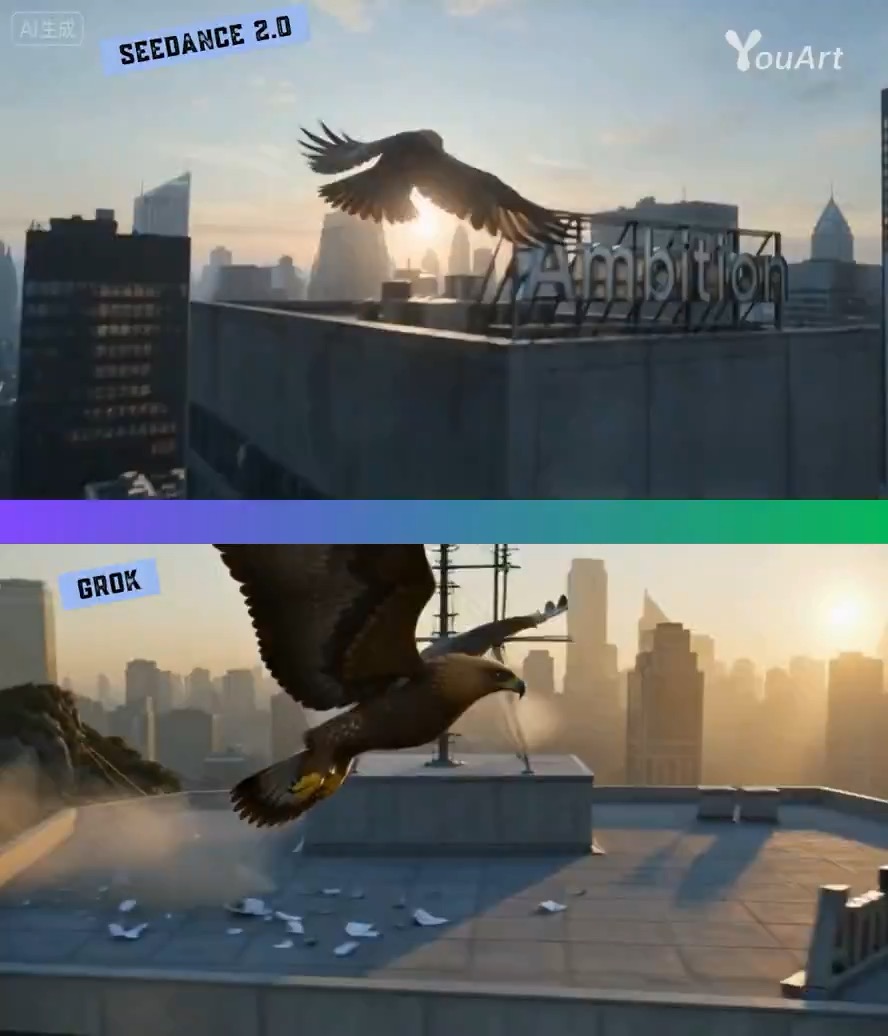
Preview of a dawn logo reveal where a golden eagle circles an editable emblem before landing on a clean final brand frame.
Check the input, output, credits, and example result, then try this model directly on the page. Move into Studio when you need saved history, assets, or longer iteration.
Example output
Preview of a dawn logo reveal where a golden eagle circles an editable emblem before landing on a clean final brand frame.
Best for
Before-and-after or start-and-end frame shot testsProduct reveal clips with a planned visual destinationStoryboard checks using opening and tail framesLegacy Kling Pro comparisons for existing projects
Supports
Image to Video
Online trial
Use Kling V2.1 Pro
Use Kling V2.1 Pro when you already know the first frame and the ending frame and want the transition between them to be the main job. Upload one start image, add an optional tail frame, and stay here when image-to-video planning matters more than cheaper single-frame drafts.
Results
Kling V2.1 Pro
KuaishouText to Video
Kling V2.1 Pro is Rivya's legacy two-frame Kling option for image-to-video shots that need a start frame and an optional tail frame. It is the practical choice when the key question is how a shot should travel from one image state to another, not whether you need text mode or newer Kling controls.
Kling V2.1 Pro
No result yet. Submit a prompt to start a run.
Image to Video
Prompt starters
Start Kling V2.1 Pro with a proven prompt
Use a template already mapped to Kling V2.1 Pro when you want a stronger first run than a blank prompt.
Preview of a dawn logo reveal where a golden eagle circles an editable emblem before landing on a clean final brand frame.
Golden eagle logo reveal preview with dawn light, controlled flight, editable emblem area, and a final brand lockup.
Input
Up to 2 image references
What to notice
Golden eagle logo reveal preview with dawn light, controlled flight, editable emblem area, and a final brand lockup.
Credits per use
50-100 credits per generation
Why this model works
Image-to-video only, with a narrower project
Supports a first frame and an optional tail frame
Fixed 5-second and 10-second price tiers
Best-fit tasks
Best-fit tasks
Before-and-after or start-and-end frame shot testsProduct reveal clips with a planned visual destinationStoryboard checks using opening and tail framesLegacy Kling Pro comparisons for existing projects
Model proof
Preview for Wok Toss Culinary Motion Transition, focused on ingredient arcs, wok toss control, steam, and final plating continuity.
Cinematic wok toss culinary video preview showing ingredients suspended above a hot pan in a clean kitchen.
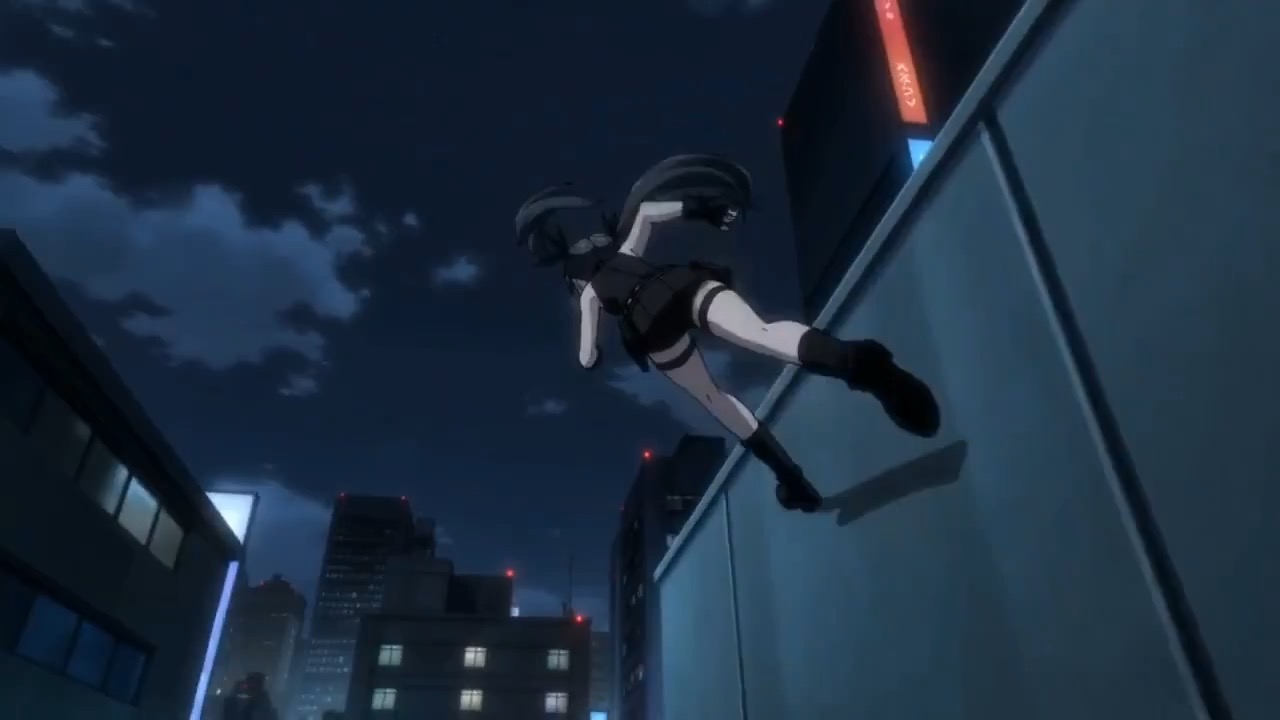
Preview for a neon rooftop parkour chase, focused on low-angle tracking, rooftop jumps, and stable action physics.
Neon rooftop parkour video preview showing an adult runner moving across a glowing night city skyline.
Decision fit
When this model is the right choice
Decision fit
Fit signals
Image-to-video only, with a narrower project
Supports a first frame and an optional tail frame
Fixed 5-second and 10-second price tiers
Supports `negative_prompt` and `cfg_scale`
Useful for legacy Kling 2.1 Pro comparison tests
Best-fit tasks
Use it when the task looks like this
Before-and-after or start-and-end frame shot testsProduct reveal clips with a planned visual destinationStoryboard checks using opening and tail framesLegacy Kling Pro comparisons for existing projects
Quiet facts
Inputs, output, and credits to confirm
Provider
Kuaishou
Category
Video
Capabilities
Image to Video
Credit model
50-100 credits per generation
Input path
Up to 2 image references
Prompt setup
Up to 5,000 chars
FAQ
Kling V2.1 Pro FAQ
What kind of shot is Kling V2.1 Pro actually the best fit for?
Kling V2.1 Pro is a good fit when the shot already has a planned start and a planned end. It is a useful legacy option for reveal clips, before-and-after transitions, and storyboard checks where the creative question is not just how to animate the first frame, but how to travel from image A to image B.
What is Kling V2.1 Pro's real scope on Rivya right now?
On Rivya, this option is still image-to-video only, but it accepts up to two images and maps the second image to the tail frame. The public controls stay fairly simple: choose 5 or 10 seconds, use `negative_prompt` when needed, and adjust `cfg_scale` if the transition needs tighter prompt adherence.
What matters most when you are deciding whether Kling V2.1 Pro is worth using?
The biggest question is whether the ending frame is real enough to deserve a two-frame project. If the tail frame already defines what the shot should land on, Pro becomes useful. If the ending state is still fuzzy, the extra cost is often hard to justify and the cheaper Standard option is usually the better proving ground.
When is Kling V2.1 Pro worth its current credit tier?
Rivya currently lists 50 credits for 5 seconds and 100 for 10. That spend makes more sense when the transition itself is the job, because the tail frame saves you from leaving the destination vague. In practice, 5 seconds is often enough to prove the handoff, while 10 seconds is better reserved for shots that need more breathing room.
When should I choose Kling V2.1 Pro over Standard or a broader Kling option?
Choose Kling V2.1 Standard when one opening frame is enough and the ending state is still loose. Choose newer Kling options when you need broader controls or text-led generation. Choose Kling V2.1 Pro when you already know where the shot should start, where it should land, and you want that planned transition to be the whole point of the run.
What can I test first on this page?
Start here when the first result needs to answer one specific question: can this shot travel cleanly from the chosen first frame to the chosen ending frame? Use it for reveal clips, before-and-after transitions, and storyboard tests where the two-frame plan matters from the start.
What can I set up on this page?
This page is a two-image image-to-video option. Before the first result, you can upload a starting frame, optionally add a second image as the tail frame, choose 5 or 10 seconds, and use `negative_prompt` or `cfg_scale` if the transition needs more control.
Which checks are worth making before I hit run?
First check whether the second image really represents the landing frame you want, because that is what makes Pro different from Standard. Then decide whether 5 seconds is enough to prove the transition before paying for 10, and only tighten `cfg_scale` or add a `negative_prompt` when the path between the two frames needs more steering.
Do I need to sign in before I run here, and how do credits work?
The page is public, but the actual image-to-video run is still gated behind sign in. Rivya currently lists 50 credits for 5 seconds and 100 for 10, so you can settle the start frame, the tail frame, and the duration first, then sign in when you are ready to generate.
When should I stay on this page, and when should I move into the full Studio?
Stay on this page while you are checking one start-frame plus tail-frame pair and checking whether the planned transition is working. Open the full Studio once the project needs saved versions, multiple transition branches, or a longer sequence built around the same reveal or shot progression.
Compare alternatives
Other models to consider next
Video
Seedance 2.0
ByteDance's full Seedance 2.0 video model with explicit support for prompt-only generation, frame-driven animation, and multimodal reference generation. Rivya keeps the documented role split explicit so frame inputs and multimodal references stay mutually exclusive instead of collapsing into one ambiguous upload bucket.
Why consider it
Consider it when your next task needs Prompt, frames, or image/video/audio references.
InputPrompt, frames, or image/video/audio references
CreditsFrom 64 credits per run
Best forHigher-quality short videos from prompts, frames, or reference bundles
ByteDance's faster Seedance 2.0 video model with full scene routing for prompt-only generation, frame-driven image animation, and multimodal reference video generation. Rivya keeps the documented scene split explicit so first/last-frame inputs do not collide with reference image, video, and audio roles.
Why consider it
Consider it when your next task needs Prompt, frames, or image/video/audio references.
InputPrompt, frames, or image/video/audio references
CreditsFrom 52 credits per run
Best forFast ad previs from prompts or storyboard frames
Video
Seedance 1.5 Pro
A Seedance video model for text-to-video and image-to-video with native audio-visual sync. It supports 480p–1080p, 4–12s clips, 6 aspect ratios, dynamic or fixed lens control, optional audio generation, and lip-sync.
Why consider it
Consider it when your next task needs Prompt + optional images.
InputPrompt + optional images
CreditsFrom 28 credits per generation
Best forShort clips with synced dialogue and motion