Rivya 저널

작성자
카테고리
계속 탐색
Rivya 팀의 관련 가이드, 제품 노트, 워크플로 분석을 계속 읽어보세요.
현지화는 번역한 파일에 새 이름을 붙이는 작업이 아닙니다.
창작 자산을 현지화하면 문구, 음성, 비주얼, 사례, 속도감, 주장과 행동 유도 문구가 받아들여지는 방식이 달라질 수 있습니다. Rivya는 이미지, 영상, 오디오, 채팅 워크플로 전반을 지원하지만, 현지화 브리프에 무엇을 유지하고 무엇을 조정할 수 있는지 명확히 적었을 때 가장 효과적입니다.
자산을 현지화하기 전에 브리프부터 작성하세요.
원본 자산: [이미지, 영상, 음성, 랜딩 페이지 비주얼, 캠페인 세트]
대상: [언어권, 시장, 사용자 그룹]
핵심 메시지: [반드시 유지할 내용]
조정 가능한 요소: [사례, 목소리 톤, 시각 자료, 단위, 행동 유도 문구]
변경 금지: [제품 약속, 법적 주장, 기능 문구, 브랜드 규칙]
검토 위험: [주장, 문화적 적합성, 음성, 문구, 시각적 맥락]
명확한 브리프는 현지화가 무작정 다시 쓰는 작업으로 변하는 것을 막아 줍니다.
핵심 메시지는 일관되게 유지해야 합니다.
다만 표현 방식은 달라질 수 있습니다.
문장 길이
사례
관용 표현
목소리 톤
시각적 맥락
단위와 통화
행동 유도 문구
음성 콘텐츠의 속도와 호흡
현지화한 자산은 다른 언어에서 그대로 옮긴 흔적이 아니라 대상 사용자에게 자연스럽게 느껴져야 합니다.
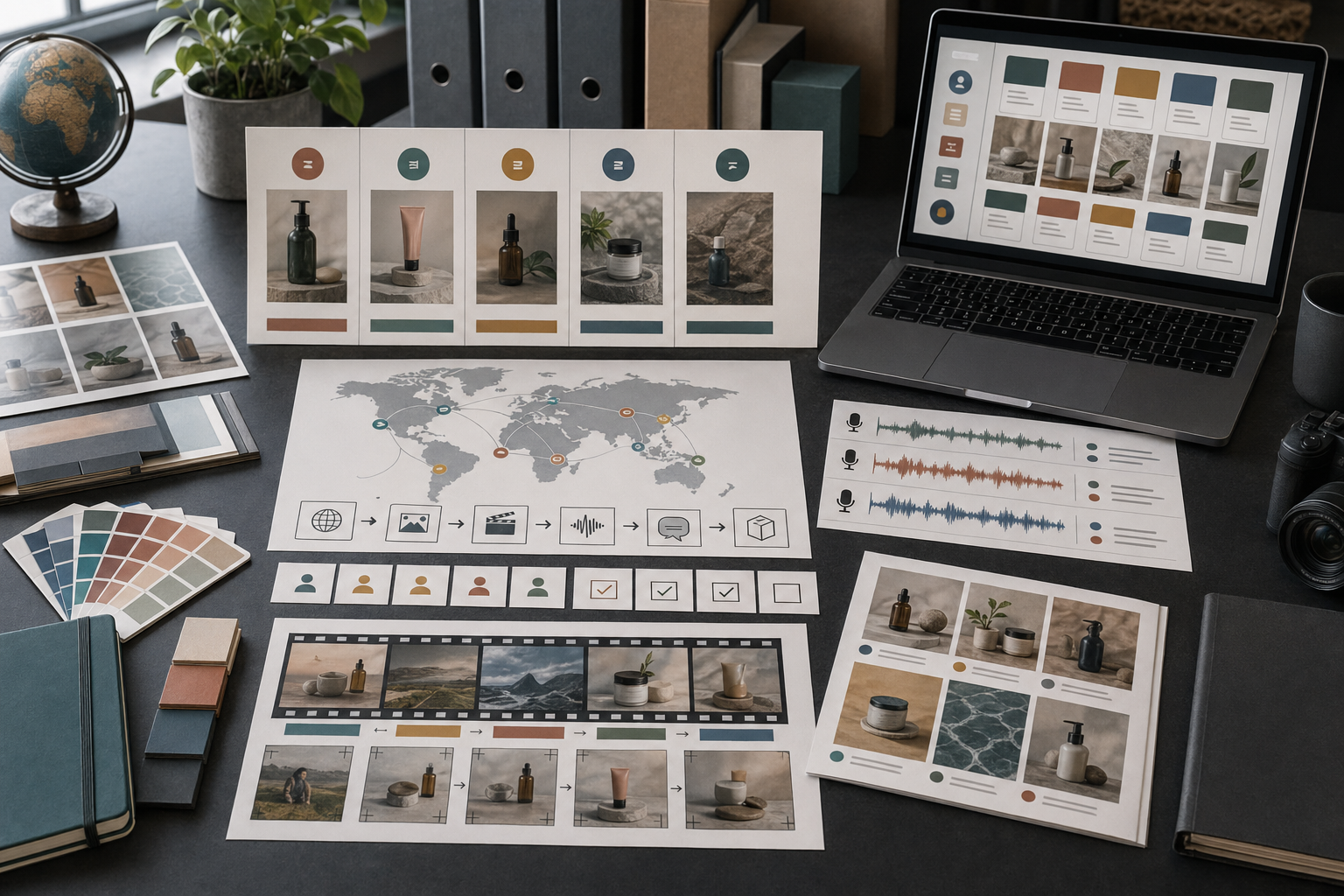
현지화는 서로 다른 요소에 영향을 줄 수 있습니다.
자막과 페이지 문구
음성
배경 장면
제품 스크린샷
인물, 몸짓 또는 소품
혜택 문구
영상 속도감
모든 요소를 같은 정도로 현지화하지 마세요. 음성만 바꿔야 할 때도 있고, 제품 메시지는 유지한 채 이미지의 맥락만 조정해야 할 때도 있습니다.
이미지 자산에 다음 요소가 있는지 확인하세요.
읽을 수 있는 문구
특정 지역을 나타내는 소품
인물이나 몸짓
포장 또는 제품 주장
통화 또는 측정 단위
해당 시장의 관습과 기대
제품이 중심인 이미지라면 제품 자체는 일관되게 유지하세요. 주변 맥락은 대상 사용자와의 적합성을 높일 때만 현지화하세요.
비주얼 버전에는 Rivya 이미지 Studio를 사용하고, 제품 정체성을 일관되게 유지해야 한다면 Rivya 이미지 참조를 사용하세요.
영상과 음성은 하나의 자산으로 묶어 검토해야 합니다.
번역한 대본은 원문보다 길어질 수 있고, 현지화한 음성에는 다른 속도와 호흡이 필요할 수 있습니다. 한 시장에서 자연스러운 장면이 다른 시장에서는 연출된 듯 어색하게 느껴질 수도 있습니다.
시각적 방향에는 Rivya 영상 Studio를, 음성 버전에는 Rivya 오디오 Studio를 사용하세요. 게시하기 전에는 영상과 음성을 합친 결과를 함께 검토하세요.
다음을 확인하세요.
문구가 자연스러운가?
사례가 대상 사용자에게 맞는가?
단위, 날짜와 통화가 적절한가?
목소리 톤이 해당 시장에 맞는가?
시각적 맥락이 설득력 있는가?
행동 유도 문구가 자연스러운가?
핵심 약속이 바뀌지 않았는가?
의미를 정확히 맞추는 것이 중요합니다. 기계적으로 단어만 바꾸는 번역으로는 충분하지 않습니다.
다음을 피하세요.
모든 문장을 직역하기
현지 맥락에 맞지 않는 비주얼을 그대로 사용하기
모든 언어에 같은 음성 속도를 적용하기
사례를 조정하다가 핵심 약속까지 바꾸기
주장이나 법적 검토를 빠뜨리기
현지화 페이지를 독립적인 현지 버전이 아니라 중복 콘텐츠처럼 다루기
대상 채널에서 자산이 어떻게 보이고 들릴지 무시하기
현지화는 의미를 보존하면서 표현을 조정해야 합니다.
다음 순서로 진행하세요.
현지화 브리프를 작성합니다.
문구, 이미지, 영상, 음성 중 어떤 요소를 조정해야 하는지 정합니다.
필요하면 Chat 또는 Chat Studio에서 문구나 프롬프트를 다듬습니다.
현지 사용자의 관점에서 전체 버전을 검토합니다.
캠페인 자산을 게시하기 전에 상업적 사용 검토 체크리스트를 확인합니다.
제품 단위 현지화 가이드는 Rivya 콘텐츠 현지화를 확인하세요.
음성 콘텐츠가 중심이라면 AI 팟캐스트 및 음성 워크플로를 확인하세요.
최종 전달 전에는 AI 콘텐츠 제작 체크리스트를 확인하세요.
민감한 원본 파일을 업로드하기 전에는 안전한 업로드 가이드를 확인하세요.