
Rivya 저널

작성자
카테고리
계속 탐색
Rivya 팀의 관련 가이드, 제품 노트, 워크플로 분석을 계속 읽어보세요.
AI 광고 소재는 모델이 아니라 광고 제안에서 출발해야 합니다.
Rivya로 제품 이미지, 짧은 영상, 보이스오버와 캠페인 변형 소재를 만들 수 있습니다. 다만 생성을 시작하기 전에 캠페인의 목적을 분명히 정해야 결과가 좋아집니다.
모델 페이지를 열기 전에 짧은 기획서를 작성하세요.
타깃 고객: [누구를 위한 광고인지]
제안: [무엇을 알아차리게 할지]
제품 근거: [주장을 믿을 수 있는 이유]
소재 유형: [이미지, 영상, 보이스오버, 변형 세트]
노출 위치: [유료 소셜 광고, 랜딩 페이지, 이메일, 리타기팅]
반드시 보여 줄 것: [제품, 이점, 결과, 기능]
피해야 할 것: [근거 없는 주장, 읽기 어려운 글자, 브랜드와 맞지 않는 스타일]
예시:
타깃 고객: 이커머스 창업자.
제안: 촬영을 다시 기획하지 않고 출시용 제품 이미지를 만든다.
제품 근거: 제품 이미지, 캠페인 변형과 저장된 작업 흐름을 보여 준다.
소재 유형: 정적 광고 이미지와 짧은 시연 영상.
노출 위치: 유료 소셜 광고와 랜딩 페이지 리타기팅.
반드시 보여 줄 것: 막연한 AI 효과가 아니라 실제 제품 소재 제작 과정.
피해야 할 것: 거짓 성과 주장과 글자가 지나치게 많은 이미지 문구.
이 기획서는 첫 생성 단계부터 목적 없는 결과물을 대량으로 쌓는 일을 막아 줍니다.
처음부터 모든 소재를 생성하지 마세요.
캠페인의 중심이 될 소재 하나를 고르세요.
제품 중심 이미지
제안 내용을 담은 그래픽
랜딩 페이지 대표 이미지
사용자 제작 콘텐츠 형식의 영상
짧은 제품 시연 영상
보이스오버 클립
리타기팅용 변형 소재
첫 소재로 캠페인 방향이 타당한지 확인한 뒤 변형 소재를 만드세요.
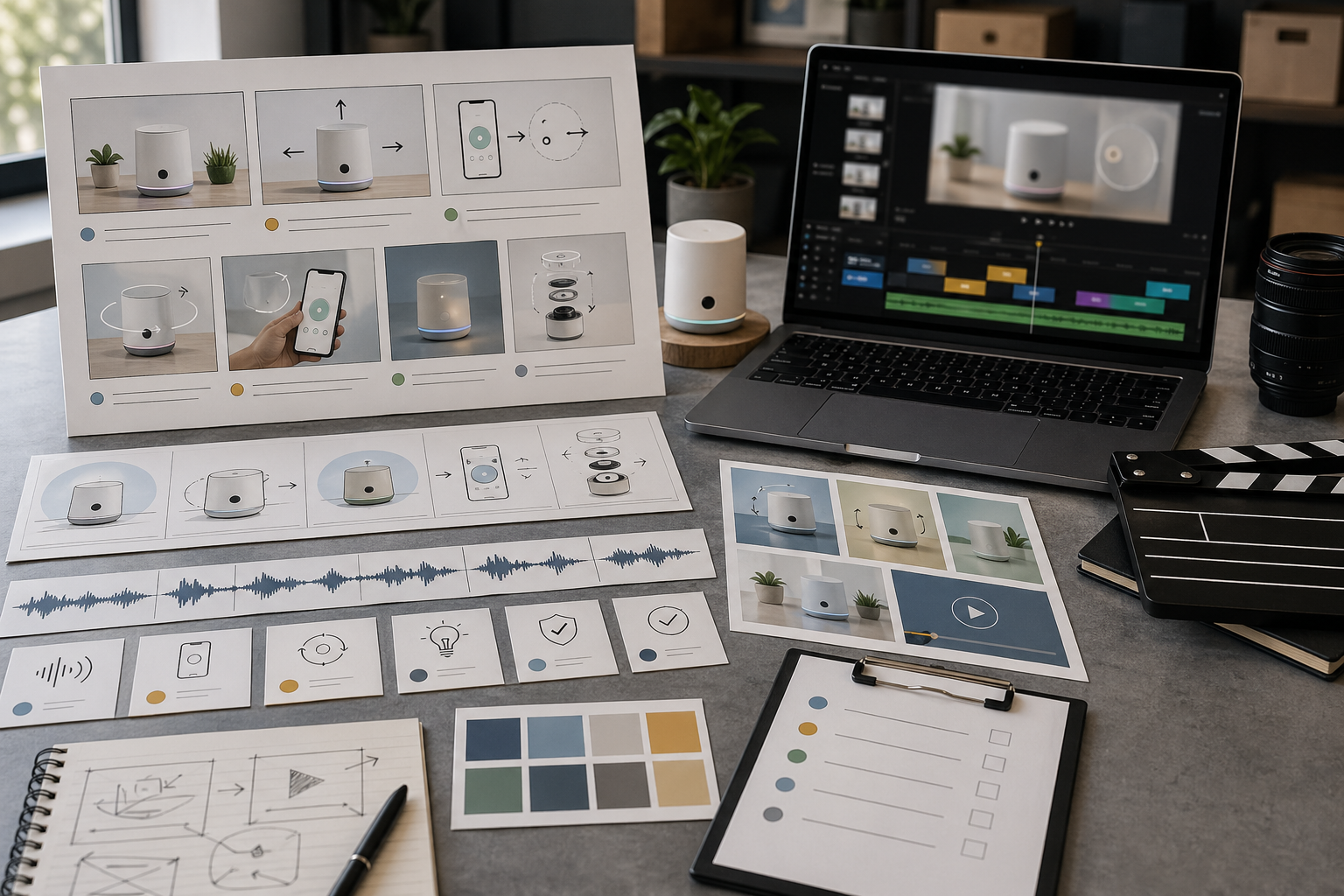
광고 제작은 보통 여러 경로로 나뉩니다.
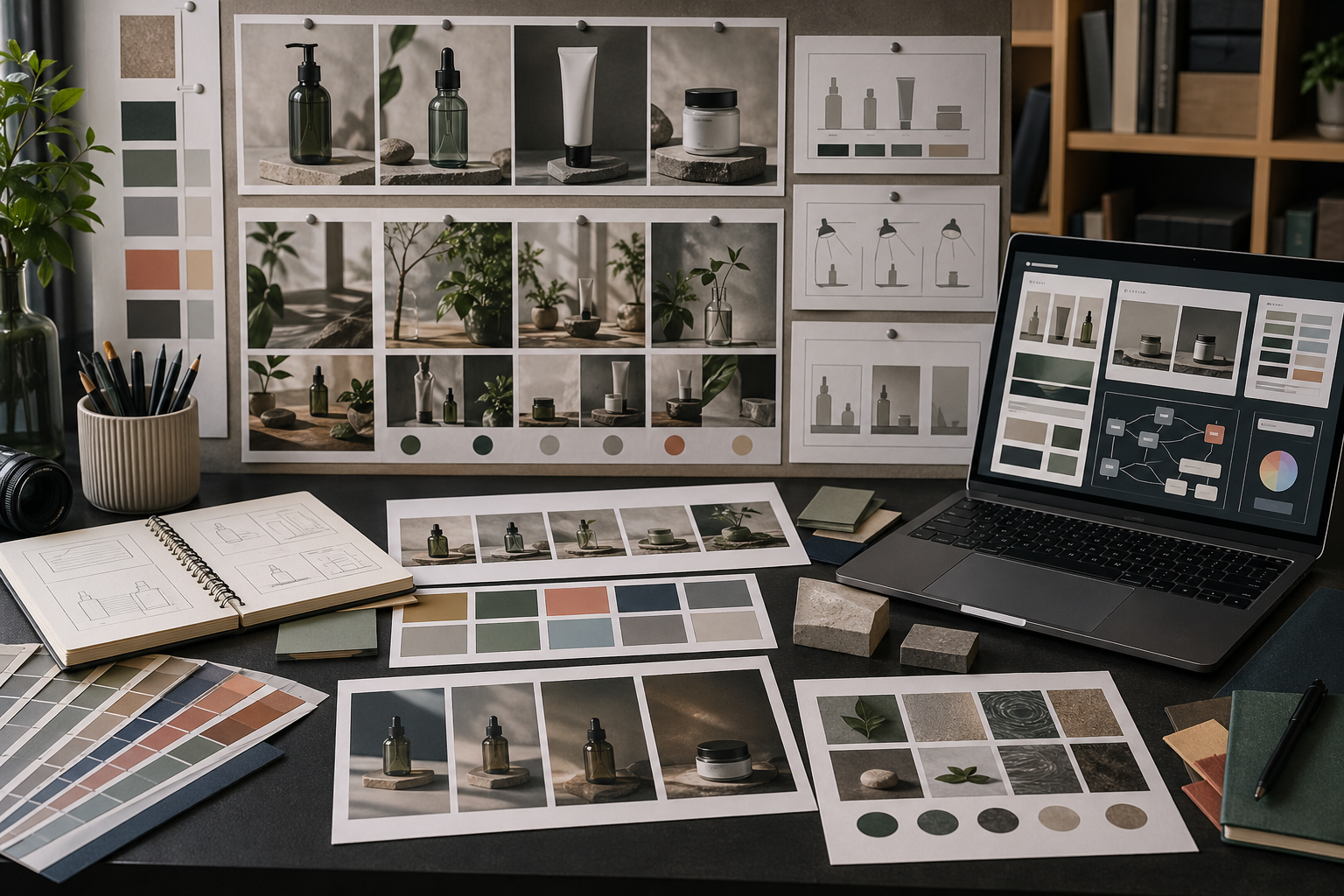
이미지에서 시작한 뒤 Rivya Image Studio에서 제품 이미지, 시선을 끄는 광고 시각 요소, 제안 이미지와 정적 광고 시안을 만듭니다.
동영상에서 시작한 뒤 Rivya Video Studio에서 제품 시연, 사용자 제작 콘텐츠 형식의 시험 영상과 짧은 캠페인 영상을 만듭니다.
오디오에서 시작한 뒤 Rivya Audio Studio에서 보이스오버, 내레이션 또는 현지 언어 음성 버전을 만듭니다.
채팅에서 시작한 뒤 Rivya Chat Studio에서 캠페인 기획, 프롬프트 정리와 변형 아이디어를 다듬습니다.
이 경로들은 서로 무관한 실험이 아니라 하나의 캠페인을 완성하는 작업 단계입니다.
변형 소재를 만들기 전에 다음을 확인하세요.
광고 제안을 2초 안에 이해할 수 있는가?
제품 또는 결과가 눈에 보이는가?
소재가 랜딩 페이지나 판매 페이지와 잘 어울리는가?
노출 채널에 맞는 화면 비율과 구도인가?
클릭해야 할 핵심 이유가 하나로 분명한가?
근거가 필요한 주장이 포함되어 있는가?
첫 방향이 효과적이라고 확인한 뒤에만 배경, 도입 문구, 관점, 형식, 구도 또는 목소리 분위기를 바꾸세요.
좋은 변형 소재는 무엇이 성과에 영향을 주는지 알려 줍니다.
한 번에 한 가지 요소만 바꾸세요.
도입 문구 A와 도입 문구 B
제품 근접 이미지와 생활 장면
정사각형 구도와 세로형 구도
창업자 목소리와 중립적인 내레이터
이점 중심 구성과 근거 중심 구성
모든 변형에서 모든 요소를 바꾸면 무엇이 광고를 개선했는지 알 수 없습니다.
사업에 실제로 도움이 되는지를 기준으로 결과물을 검토하세요.
광고 제안을 빠르게 이해할 수 있는가?
타깃 고객에게 믿을 만한 소재로 보이는가?
신뢰를 높이는가, 오히려 낮추는가?
제품이 정확하게 표현되었는가?
노출 채널과 랜딩 페이지에 잘 맞는가?
실제 광고 시험에 사용할 만한가?
아름다운 AI 이미지라도 광고 제안을 뒷받침하지 못하면 좋은 광고 소재라고 할 수 없습니다.
다음을 피하세요.
광고 제안을 정의하기 전에 모델 이름부터 고르기
한 방향의 가능성을 확인하기 전에 소재를 많이 생성하기
광고 하나에 메시지를 너무 많이 섞기
이미지 안에 빽빽하고 정확한 광고 문구를 생성하도록 요구하기
노출 채널별 구도와 모바일 미리보기를 무시하기
제품이 더 명확하게 보여야 하는데 생활 장면 중심 이미지를 사용하기
광고 주장에 대한 상업적 검토를 건너뛰기
목표는 가공되지 않은 결과물을 많이 만드는 것이 아니라, 의도와 기준에 따라 광고 소재를 제작하는 것입니다.
다음 순서로 진행하세요.
캠페인 기획서를 작성합니다.
첫 소재 유형을 선택합니다.
이미지나 동영상의 방향을 하나로 좁혀 생성합니다.
광고 제안, 제품 표현, 노출 채널과 주장 위험을 기준으로 검토합니다.
유용한 결과물은 Rivya 작업 기록에 저장합니다.
한 번에 한 가지 요소만 바꿔 변형 소재를 만듭니다.
AI 콘텐츠 제작 체크리스트로 최종 검토합니다.
상업적으로 사용할 계획이라면 Rivya 결과물의 소유권과 상업적 이용도 확인하세요.
정적 광고 이미지에는 광고용 AI 이미지 생성기를 사용하세요.
영상 캠페인에는 마케팅용 AI 영상 생성기를 사용하세요.
배포 계획에는 AI 소셜 미디어 콘텐츠 작업 흐름을 사용하세요.
더 큰 소재 세트를 만들기 전에는 AI 크리에이티브 캠페인 기획 방법을 참고하세요.